
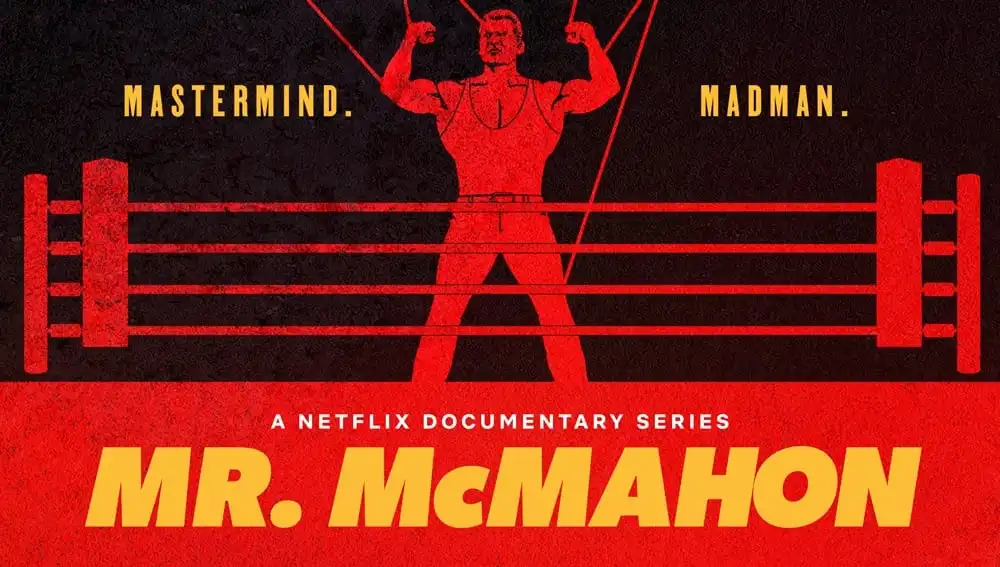
Review of the Netflix Mr. McMahon Docuseries
October 15, 2024The Mr. McMahon docuseries was compelling and divisive because it was pro wrestling. It wasn’t a “hit” or “gotcha” piece because the scandalous stuff we have known or heard about for a while is documented. It also wasn’t a “Fluff” piece, but with some topics, punches were pulled, or he wasn’t pressed hard enough. This series was complicated when it came to covering or discussing Vince McMahon. Now, whether that was by design or not is a different conversation.
Without question, the best talking heads in this series were Tony Atlas, Bret Hart, and Shane McMahon! They were the most likable, even loveable, people in the series because of their absolute bluntness and honesty when they were interviewed.


And I have to admit Dave Meltzer was good here, as much as I am not a fan of his work covering the current-day product throughout the years. However, for this sort of historical stuff, he’s outstanding. Also, I know David Shoemaker has mixed reactions with die-hard fans and wrestling historians, but I feel he was good here as the connector for some of the context. Then there was Phil Mushnick, who absolutely hates professional wrestling, or should I say Vince McMahon specifically, and still is not likable, let alone redeemable, for me as a lifelong wrestling fan.


Initially, I was going to do this episode by episode, but I decided to take the stream-of-conscious approach to cover this better. Right away, I knew it wouldn’t be a docuseries tailored to lifelong fans like me, but for Netflix viewers and casual fans, there were bits and pieces for lifelong fans/ die-hards. And while the 6 episodes were okay, this series could have been or should have been at least 10-12 episodes instead of 6.
They acknowledge McMahon’s childhood but not enough, in my view, to set the tone or provide the foundation for what he would become or his views/concepts and give some clarity on that part of his life that has been somewhat mythical. McMahon’s relationship with his father shaped the person he became, a businessman and promoter of pro wrestling, for which he became famous or infamous. I’m sure a lot was skipped or glossed over about that relationship and his start in the business because it was six episodes and other roadblocks, which should have been expected.

I’m probably in the minority, but Vince McMahon, the 1970s and early 1980s commentator, was good despite his unpopularity. They didn’t mention his father having cancer, which led to him giving Vince and Linda the very sweetheart deal to buy the company—that subject I wished that they were given more time to lay it out better. Still, again, limited episodes made it impossible, which sucks because it’s a fascinating dynamic and detail in Vince McMahon’s and WWF’s rise.
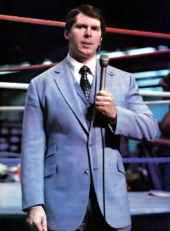
They discussed WWF’s national expansion, which has been done to death, especially how it was framed here. If you want a more straightforward perspective, please read Tim Hornbaker’s “Death of the Territories.” It is an excellent book on this subject. A lovely surprise was Vince initially opening up about wanting Dusty Rhodes to be the guy for the expansion. It is an excellent sliding door/what-if scenario if Rhodes came on board. Still, in the end, Hogan was the better fit, especially for McMahon’s vision, and it was crystal clear that Vince McMahon did not believe in Bob Backlaud at all (laughs).

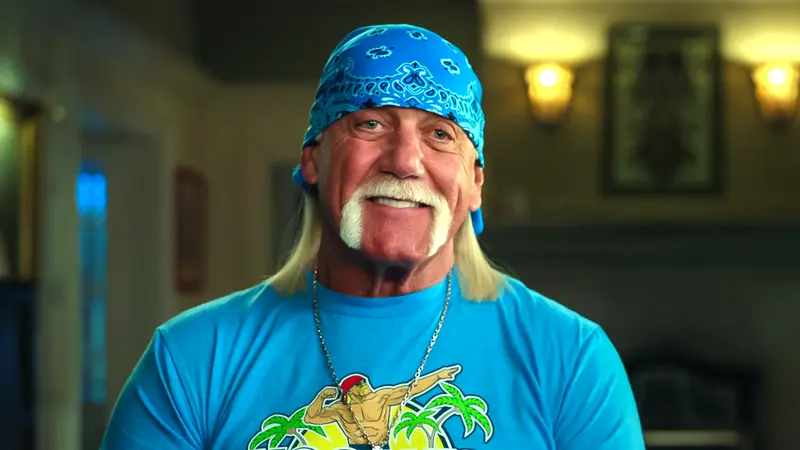
The first two episodes were pretty copy-and-paste of how they presented the buildup to Wrestlemania and that period. Still, being a tattletale or snitch, Hulk Hogan certainly looked bad here (which isn’t surprising, especially in recent years). He had a few decent moments, but not enough to make him likable in the series.

Then they get into the post-Wrestlemania 1 success and the annoyingly divisive subject of Wrestlemania 3, with the attendance numbers and uncertainty surrounding the Hogan and Andre the Giant match, making the event mythical and crucial in WWF/WWE’s rise. But it’s so obnoxious and stupid from both sides at this point.
It got into Vince McMahon’s non-wrestling projects, which were unsuccessful despite how ambitious he was as a promoter. It goes back through the scandals (Jimmy Snuka incident, The Ring Boy scandal), setting up for the steroid scandal/chapter. It was nice to hear Pat Patterson be absolved of any wrongdoing in the Ring Boy scandal, but some questionable behavior remains with Tony Atlas’s story in the episode.
Hogan once again did himself no favors when revisiting that period. Sometimes, I wish he would not comment or finally be upfront with stuff because it is so embarrassing. But the appearance of the Arsenio Show changed things for the Hulkster.
Then it gets into the first rape allegation, where McMahon had some weird answers, setting the stage for things to come later that certainly doesn’t make him innocent in any way. The Steroid trial is next and everything around that, which has been well documented but showed how much of a jerk Phil Mushnick was regarding his view on pro wrestling. Yes, while Mushnick was a solid journalist or columnist, his hatred for Vince McMahon was the opposite of what his profession is supposed to be. It was the foundation for what was a flimsy case for the government. If the true crime craze was as popular as it is currently, people would have laughed and shamed the prosecution out of the courtroom. Sorry for that rant, but no one with any sense would see how wrong and false the case was.
Throughout the series, you see where McMahon’s perception of women in wrestling was forming with Wendi Ritcher. What unfolded after that framed things well for what we know now, changing the tone for what was to come throughout the rest of the series and how women were perceived in pro wrestling during the rise of WWF.
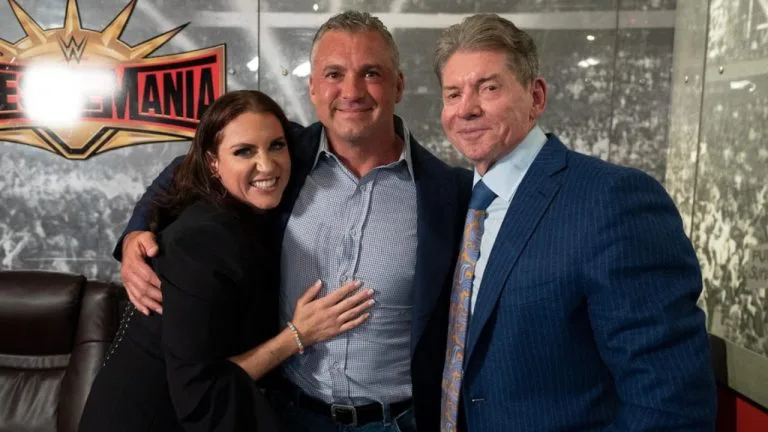
I mentioned it earlier, but Shane McMahon was incredible in this series and impossible not to like, support, and root for after this, even for people who weren’t fans of him. He was absolutely authentic and upfront about his experiences. Hopefully, we will get that with Stephanie McMahon in the future, perhaps after this explosive upcoming trial is over and things are cleared up.

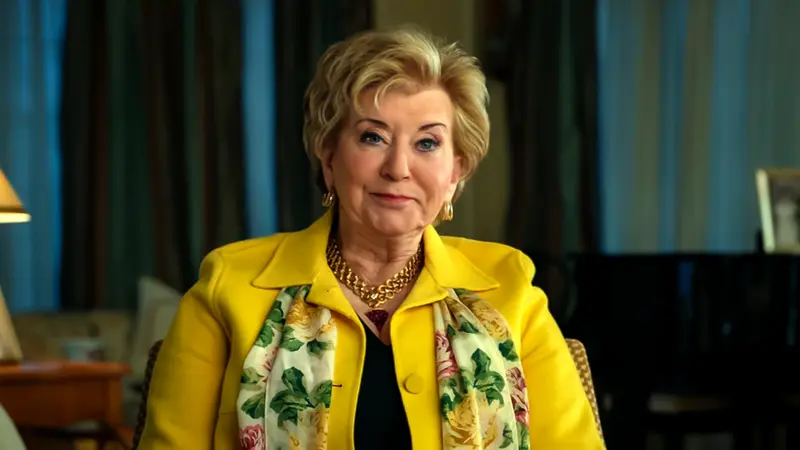
Also, I wish we got more from Linda McMahon or an episode that focused on her side of things and perspective on all of this. Linda certainly has insight and perspective on Vince’s being with McMahon for a long time. Also, she could open Pandora’s box of other things that would probably turn this docuseries upside down.
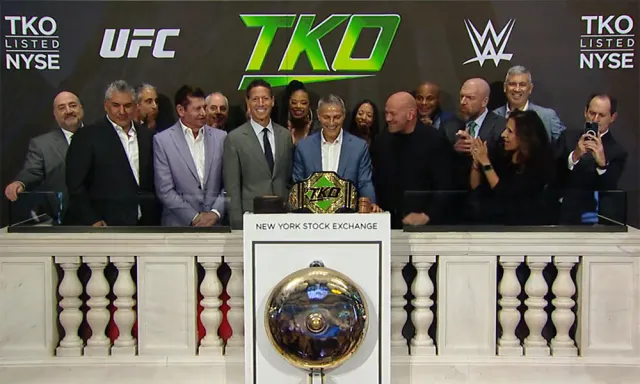
Of course, they cover the mid-90s war with WCW and everything that has been covered to death but its apart of Vince McMahon’s story and just is nauseating to hear at this point honestly. The Attitude era took WWE to the place it would eventually became, covered the Montreal Screwjob where again Bret Hart was delightful with his overwhelming bluntness on everything which gave a healthy balance to this for some other people who probably held back with their views and I should mention that the bulk of the interviews with people were done prior to all the allegations became public which certainly leaves the door open for second series if Bill Simmons and director Chris Smith want to or can do it.
The origin of Mr. McMahon laid out here clearly showed that the lines are absolutely blurred between the “persona” and the human being despite Vince’s failed attempts to say they are different when everyone else they interviewed said it’s the same guy in a way. One line said in this series by Triple H really stood out: “He is going to show you what he wants to show you,” again laying the groundwork for what came out in recent years.

Another person who was good in this series was Paul Heyman, who just painted the picture well every time he appeared on screen. Also, the glaring omission of Brock Lesnar and the very limited moments of Stephanie McMahon were noticeable and potentially raised questions about why they were not prominent in this production.
The last two episodes started to discuss the big news and allegations that emerged after the big merger, leading to his eventful removal from everything. Once everything was public, McMahon declined any interviews, leaving the docuseries anti-climactic but some things McMahon said were either damning, cringeworthy, or uncomfortable when asked about specific subjects.
The many wrestlers who say he is or was a father figure to them have been established for a long time, but his relationship with Shane and Stephanie left viewers to believe that they didn’t feel that way for me, at least. Covering all the subjects that have been well-covered (Owen Hart’s death, Chris Benoit, etc.) was ok again, considering the limited episodes for this were glossed over, leaving potentially hard questions unanswered.

Overall, I like the docuseries. It was a solid attempt to help new viewers, lapsed fans, and casual fans understand this polarizing figure, Vince McMahon, while kind of bringing you up to speed on what has or is currently happening with him and his standing in the WWE today. I wish they had done more episodes and really pushed McMahon on certain topics for context and to address things.

His opting out of the interview when shit hit the fan was disappointing. How WWE closes ranks because that is what they had to do, but hopefully, once this trial is underway or done with, we can get another Docuseries where they can interview the same people after this and give a more precise and honestly more blunt opinion on everything because that is what is needed here.

Incredibly more candid sessions with Triple H, Stephanie, Shane, Linda, and a super long shot if they got the opportunity to interview the victim, Janel Grant, would be good but highly unlikely. Vince McMahon is undoubtedly one of the greatest promoters we have ever seen, whether we like or despise him. However, there is more to tell his story that we will someday hear or see before he dies.


